
Swarf recycling: turnings and chips bought by metal
Steel, stainless, aluminium, brass and copper swarf from machine shops and engineering works, collected, graded and paid for by bank transfer, never cash.
- Licensed dealerA Wigan Council scrap metal site licence, on the public register.
- Paid by bank transferStraight into your account, with a weight and grade record for each load.
- Graded, not lumped inEach metal priced for what it is, not as the cheapest thing in the pile.
- Paperwork doneWaste transfer notes for every collection, so your records stay complete.
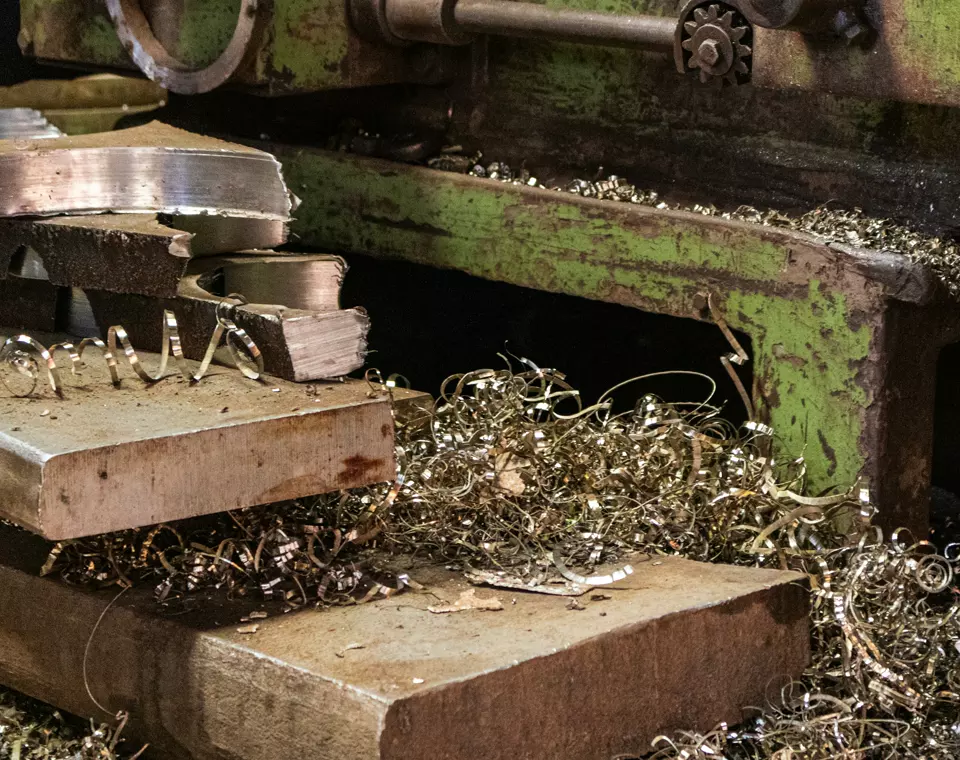
Swarf is the waste metal cut away by machining: the curls, chips and turnings that come off a lathe, mill, drill or saw. It looks like rubbish, but it is the same metal as the bar you bought. Kept to one metal and drained of cutting fluid, it is a scrap grade with a buyer.
Resilient Contracting buys swarf from CNC shops, toolrooms, precision engineers and production machining lines across the North West. As a licensed scrap metal dealer at Martland Park, Wigan, we supply bins or skips, collect the swarf, grade each metal and pay by bank transfer, with a waste transfer note for every collection.
Grades
Types of swarf we buy
- 01
Steel turnings
Mild, carbon and alloy steel swarf from turning, milling and drilling. It is the most common swarf and worth less per tonne than non-ferrous, so it pays in volume. Crushing long turnings saves space.
- 02
Cast iron borings
Short, broken chips and fines from machining cast iron, which crumbles rather than curling. Borings are a separate grade from steel turnings, and a mixed bin is worth less than either.
- 03
Stainless swarf
Turnings from stainless work, kept by grade where you can, with 316 apart from 304. Oily stainless swarf is easily confused with steel swarf, so give it a labelled bin at each machine.
- 04
Aluminium swarf
Light and bulky, so it fills a bin long before it gets heavy. Keep it dry and free of steel chips, and keep cast and wrought alloys apart if you machine both.
- 05
Brass swarf
Brass is mostly copper, so brass turnings are among the most valuable swarf a general machine shop makes. Free-cutting brass breaks into short chips that store well in their own drum.
- 06
Copper and bronze swarf
Turnings from copper busbar, electrodes and bronze bushes. Copper and bronze are graded separately, and both should stay apart from brass. For small quantities, a tub beside the machine is enough.
Price
What decides the price of swarf
The metal comes first. Copper and brass swarf follow the copper market, aluminium swarf follows aluminium, stainless follows nickel, and steel and cast iron follow the ferrous market. Swarf is graded separately from solids of the same alloy, and how clean and dry it is decides where within that grade it lands.
Then come condition and quantity. Dry swarf of one metal with no tramp metal grades at its best, while wet or mixed swarf is graded down. For today’s price, call 01942 906041 or send photos of your bins through the form on this page, with the metals you machine and a rough monthly amount.
Today’s price, on the day
Scrap prices follow the metals markets and change daily. Call 01942 906041 or send photos and a rough weight through the quote form, and we will price what you actually have, grade by grade.
Swarf and machining scrap we take
- Mild and carbon steel turnings
- Alloy and tool steel swarf, kept apart
- Cast iron borings and chips
- Stainless swarf, with 304 and 316 apart
- Aluminium chips and turnings
- Brass turnings and chips
- Copper and bronze swarf
- Crushed or chipped swarf
- Briquetted swarf, one metal per batch
- Bar ends and offcuts, kept apart from turnings
Keep out of the swarf bin, and where it goes
- Spent coolant and machining emulsions: tell us first; they need a specialist route as hazardous waste
- Oily grinding, honing and lapping sludge: tell us first; it needs a specialist route
- Tramp metal such as bolts, inserts and stray offcuts: picked out and put in the bin for that metal
- Rags, gloves and packaging: general waste, or tell us first if they are soaked in oil
- Plastic and composite turnings: plastic recycling or general waste
Collection
Swarf bins, skips and bags
Set up around your site and the amount you produce, so each metal stays in its own grade until it is collected.
Sealed skips for ferrous swarf
For steel and cast iron swarf in volume. Even drained swarf weeps fluid as it settles, so a sealed body stops it reaching the ground.
A bin for each metal
Small bins at each machine, one per metal, emptied into the main containers. The machine is the only place where someone knows exactly what was cut.
Bulk bags for non-ferrous
Aluminium, brass and copper swarf can go in strong bulk bags, kept indoors and dry. Bags make small, valuable batches easy to store, check and load.
Why it matters
Cutting fluid, sludge and the waste codes
Swarf itself is non-hazardous waste. The List of Waste gives it its own entries: 12 01 01 for ferrous filings and turnings and 12 01 03 for non-ferrous. The fluids around it are a different matter. Spent machining emulsions (12 01 09*) and oily grinding, honing and lapping sludge (12 01 18*) are listed as hazardous.
That matters because hazardous waste can’t be mixed with non-hazardous waste and needs its own collection and consignment note. So drain swarf at the machine, return fluid to the sump or a separate container, and never top up a swarf bin with coolant. Dry, single-metal swarf keeps the paperwork and the price simple.
How it works
From a phone call to money in the bank
Say what the metal is and give us a rough weight or a skip size. A photo or two speeds it up. You will know how it will be priced before anything moves.
Call or send photos
What the metal is, how it is mixed, roughly how much and where it is. A few photos usually tell us most of it.
Collection arranged
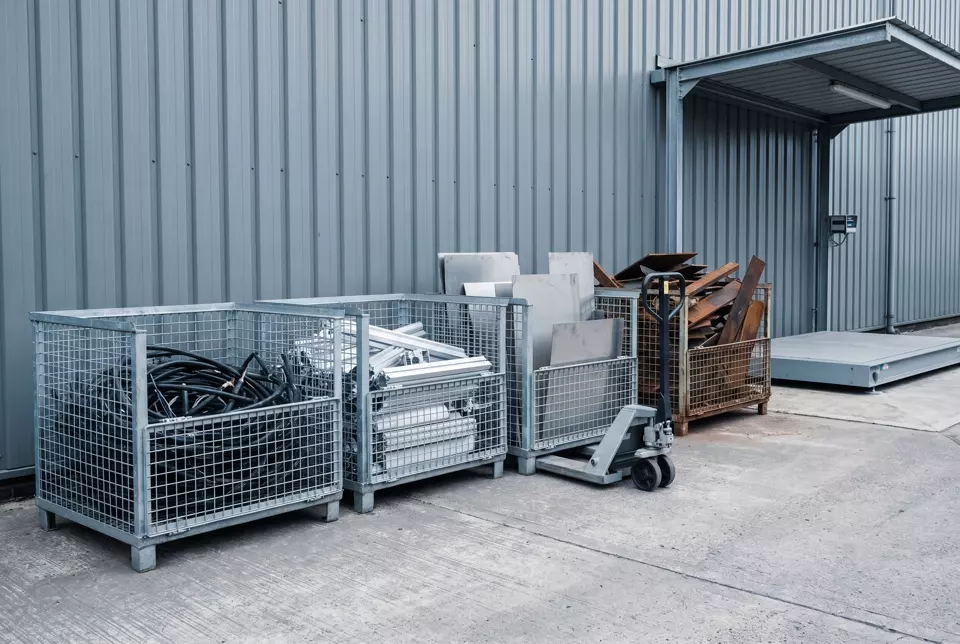
A one-off pick-up, or cages, bins or a skip on site so it can be kept apart as it comes out.
Weighed and graded
Each metal is weighed and graded for what it is, so clean copper is not paid as mixed scrap.
Paid by bank transfer
Payment against the weights and grades, with a waste transfer note for the load.
Related services
Other scrap we buy
-
Scrap cable
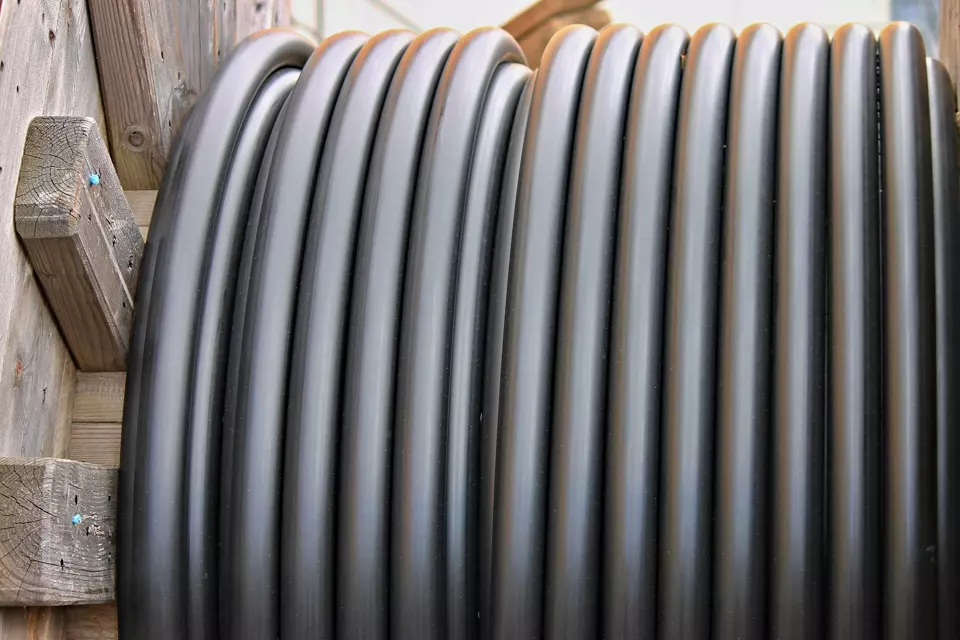
SWA and power cable, copper and aluminium conductor runs, rewire offcuts and whole drums, sorted by type and paid for by bank transfer. Find out more -
Scrap copper
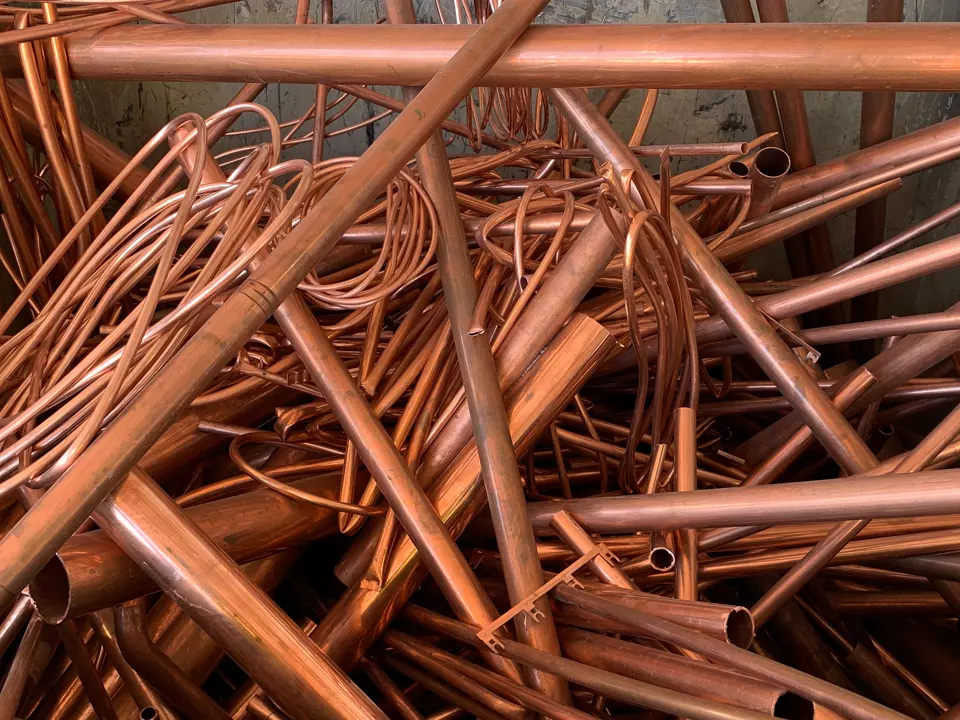
Bright wire, heavy copper, tube, pipe and mixed copper, each grade kept apart so you are paid for what it really is. Find out more -
Scrap stainless steel
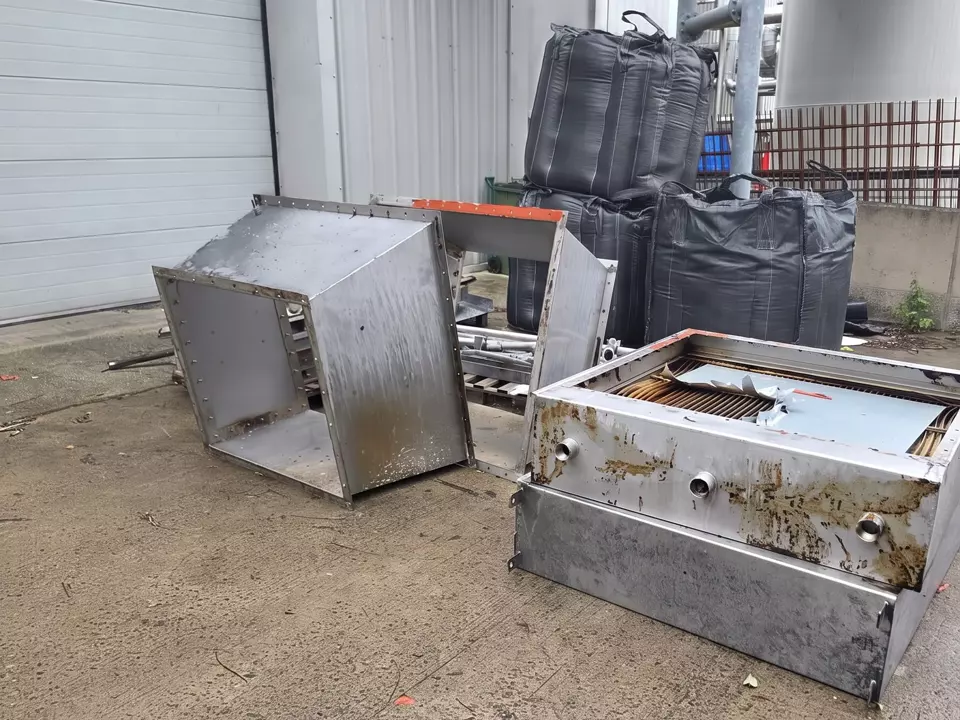
Industrial stainless from plant, ducting, tanks and fabrication, sorted by grade so its nickel content counts. Find out more
Is aluminium swarf worth collecting separately?
Yes, if you machine a fair amount. In a steel bin, aluminium is lost and drags that load’s grade down. In its own bag or bin, kept dry and free of steel chips, it is graded and priced as aluminium. If space is tight, crushing or briquetting cuts the volume a long way.
What should we do with the coolant that drains off?
Keep it out of the swarf and the drains, and reuse what you can through the sump. Spent coolant is hazardous waste and needs its own sealed container: tell us first; it needs a specialist route. Never tip it into a skip or yard gully. Your duty of care includes stopping waste escaping.
Can you take briquetted swarf?
Yes. Briquettes are swarf pressed into dense pucks, which squeezes out much of the fluid and makes storage easier. They are graded by the metal they are made from, so press one metal at a time and label each batch. A press only pays at real volume; for most shops, good bins and draining do the job.
How often should swarf be collected?
It depends on how fast each bin fills. Steel swarf from a busy line may need regular exchanges, while a drum of brass might take months. Each metal can run on its own frequency. Don’t let bins overflow or stand uncovered outside: rainwater adds weight that isn’t metal and washes fluid out of the swarf.
Do you collect from site?
Yes. We arrange collections from business and trade sites, and can leave cages, bins, bulk bags or a roll-on roll-off skip on site so metals are kept apart as they come out. Tell us what you produce and how much, and we will suggest the right set-up and collection frequency.
Is it worth separating our scrap?
Almost always. A load is graded on what drags it down, so copper with brass fittings left on, stainless with mild steel brackets or cable thrown in with general waste is bought as the poorer material. One cage or bin per metal, with the rubbish kept out, is the cheapest way to lift what your scrap earns.
Do you take batteries, oily sludge or contaminated scrap?
Tell us first. Lead-acid batteries, oily metal sludge, cable containing oil or tar and metal contaminated with hazardous substances are hazardous waste. They must be kept separate from other scrap and need a specialist route and consignment notes. We will tell you straight away what we can arrange.
Swarf recycling across the North West
Collections of swarf from sites right across the region. Each town page covers the estates and industry nearby.
- WiganOur home town
- Skelmersdale4 miles from our Martland Park site
- Chorley7 miles from our Martland Park site
- St Helens7 miles from our Martland Park site
- Leigh8 miles from our Martland Park site
- Bolton10 miles from our Martland Park site
- Warrington12 miles from our Martland Park site
- Preston14 miles from our Martland Park site
- Bury16 miles from our Martland Park site
- Liverpool16 miles from our Martland Park site
- Salford17 miles from our Martland Park site
- Manchester19 miles from our Martland Park site
Sell your scrap
Get today’s price for your swarf
Tell us what metal you have, roughly how much and where it is. Photos help. We will come back with how it will be priced and how to get it collected.
- Call 01942 906041For today’s price and a collection
- Emailinfo@resilient-contracting.co.uk
- Our siteUnit 11 Otterswood Square, Martland Park, Wigan WN5 0LF