
Commercial waste and recycling, arranged for you
The Recycling Brokerage side of the business: your site’s everyday waste arranged through registered collectors and permitted sites, alongside the scrap we buy.
- Licensed dealerA Wigan Council scrap metal site licence, on the public register.
- Paid by bank transferStraight into your account, with a weight and grade record for each load.
- Graded, not lumped inEach metal priced for what it is, not as the cheapest thing in the pile.
- Paperwork doneWaste transfer notes for every collection, so your records stay complete.
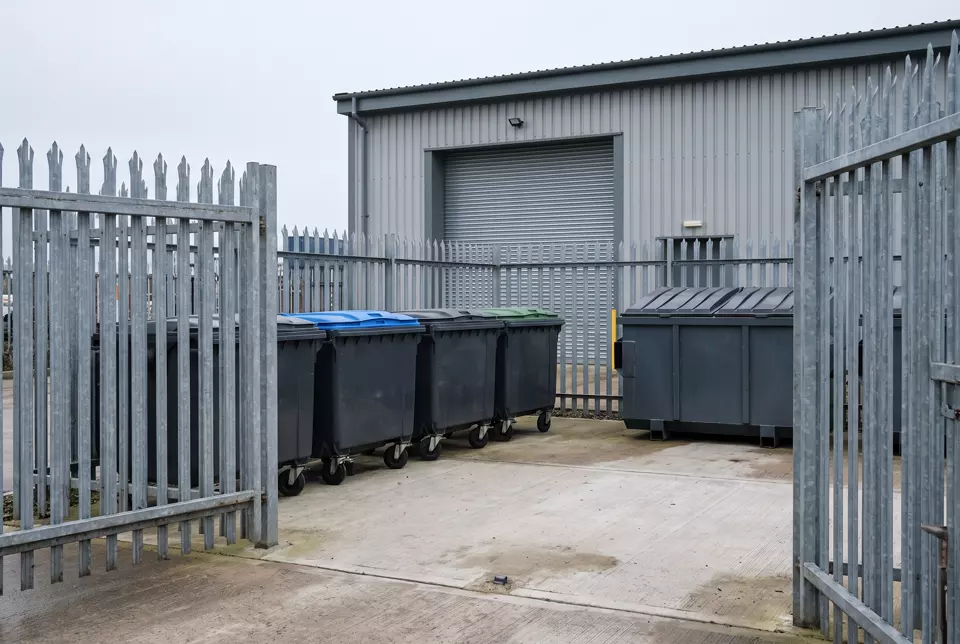
Sites that produce scrap also produce general waste, cardboard and the rest. Resilient Contracting is registered as a waste broker as well as a carrier and dealer, so we can arrange that too.
Brokerage means we match each waste to a registered collector and a site permitted to take it, agree containers and collection days, and make sure every load is documented.
Grades
Waste we can arrange
- 01
General waste
Whatever is left once recycling is out.
- 02
Dry mixed recycling
Cans, tins, plastic bottles and cartons.
- 03
Cardboard and paper
Loose or baled, kept dry.
- 04
Food waste
From canteens and staff kitchens.
- 05
Wood and pallets
Broken pallets, crates and offcuts.
- 06
Electrical waste (WEEE)
Kept separate for proper treatment.
Price
How the cost is worked out
Moving waste costs money. How much depends on the stream, the container, how often it is emptied, the weight and site access. General waste costs most, because disposal is charged by the tonne.
Separated recycling usually costs less, and baled card or film in volume can have a value. Scrap metal is bought outright. We quote each stream separately.
Typical items
- Pallet wrap and shrink film
- Broken pallets and crates
- Boxes and office paper
- Canteen food waste
- Cans and plastic bottles
- Old computers and printers
- Wooden cable drums
- Floor sweepings
Tell us first about these
- Oils, solvents and chemicals (a specialist route)
- Fluorescent tubes and batteries (a specialist route)
- Anything that may contain asbestos (a specialist route)
- Clinical or sanitary waste (a specialist collection)
Collection
How it is set up
Set up around your site and the amount you produce, so each metal stays in its own grade until it is collected.
A recycling plan
Built on what your site actually produces.
Checked collectors
Confirmed on the public register first.
Scrap alongside
Metal and waste collections planned together.
Why it matters
Why separating your waste matters
Since 31 March 2025, workplaces in England have had to present dry recycling, food and residual waste as separate streams. Businesses with under ten full-time equivalent staff have until 31 March 2027.
Your duty of care covers every load: only an authorised person may receive it, and the transfer note is kept for two years.
How it works
From a phone call to money in the bank
Say what the metal is and give us a rough weight or a skip size. A photo or two speeds it up. You will know how it will be priced before anything moves.
Call or send photos
What the metal is, how it is mixed, roughly how much and where it is. A few photos usually tell us most of it.
Collection arranged
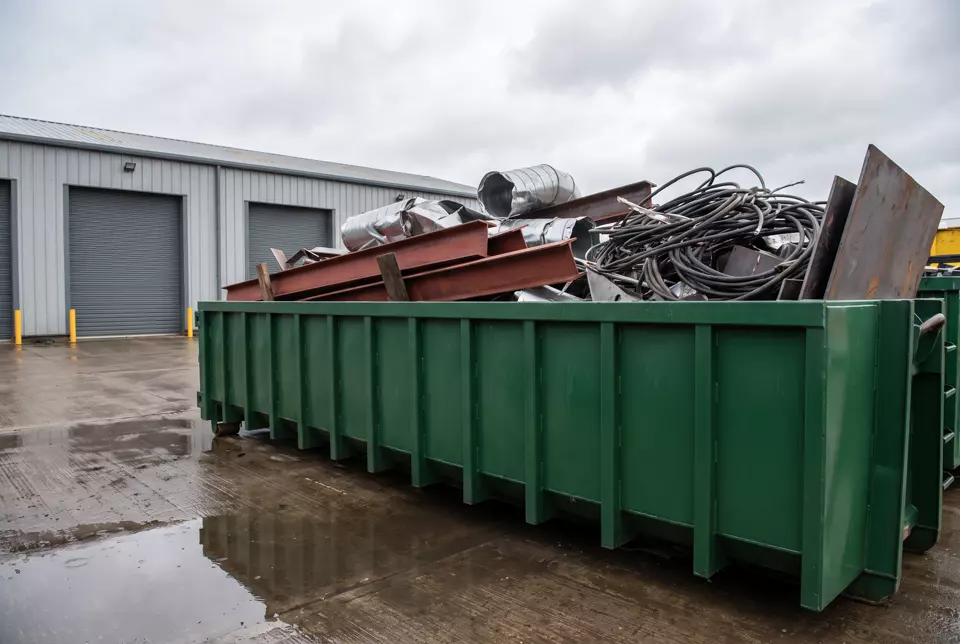
A one-off pick-up, or cages, bins or a skip on site so it can be kept apart as it comes out.
Weighed and graded
Each metal is weighed and graded for what it is, so clean copper is not paid as mixed scrap.
Paid by bank transfer
Payment against the weights and grades, with a waste transfer note for the load.
Related services
Other scrap we buy
-
Strip-out and decommissioning scrap
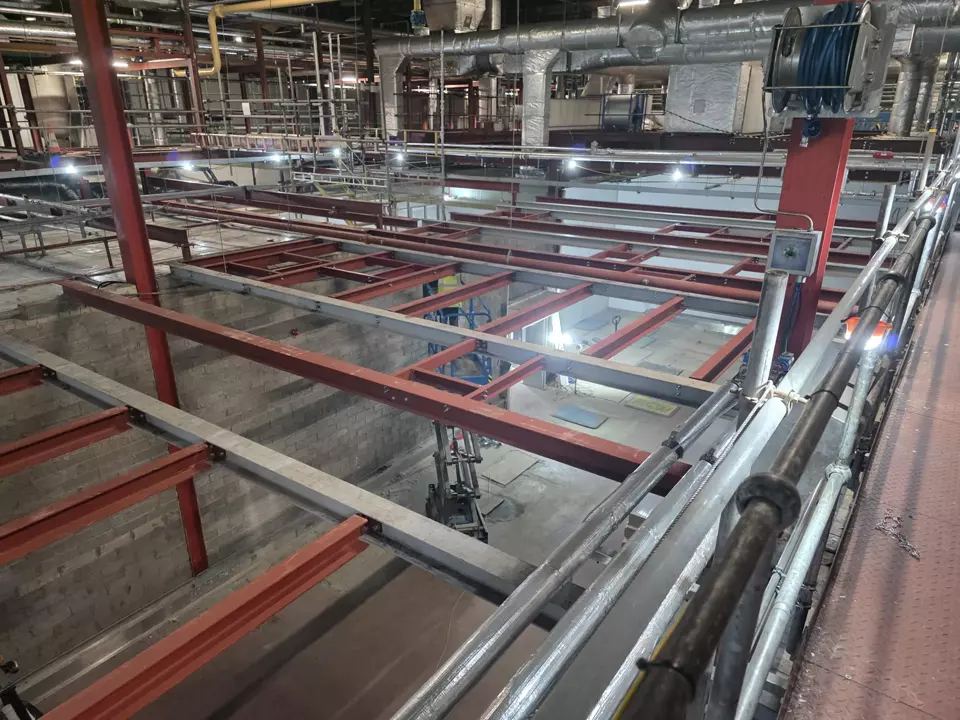
Plant rooms, stainless ducting, steelwork and cable runs from strip-outs and decommissioning, segregated on site and paid for. Find out more -
Scrap metal collection
Cages, bins, bulk bags and roll-on roll-off skips for business and trade scrap, collected, weighed, graded and paid for. Find out more -
Scrap cable
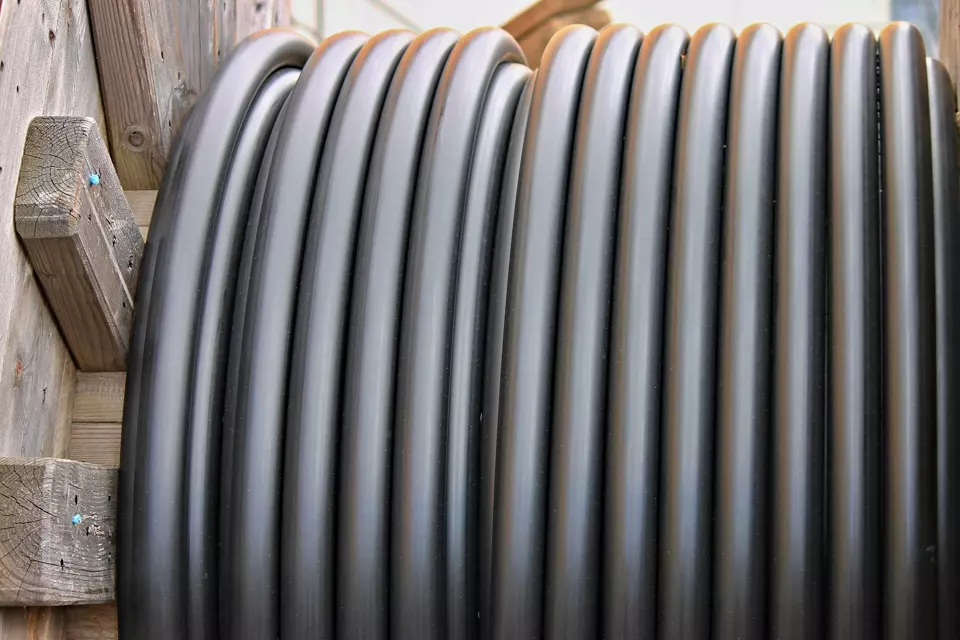
SWA and power cable, copper and aluminium conductor runs, rewire offcuts and whole drums, sorted by type and paid for by bank transfer. Find out more
What does a recycling brokerage do?
A broker arranges for waste to be collected and taken somewhere authorised to accept it. Our upper-tier Environment Agency registration, CBDU581935, lets us act as a carrier, broker and dealer of waste. In practice we match a collector and a destination to each stream, set the service running and keep the paperwork straight.
Who actually collects our waste?
A registered waste collector chosen for that stream, taking it to a site permitted to accept it. We check registrations before we use anyone, and the Environment Agency’s register lets you check them yourself. If a collection goes wrong, you call us and we take it up with the collector.
Why is general waste the dearest stream?
General waste goes for disposal, which is charged by weight, including Landfill Tax where it ends up in landfill. Clean recyclables have buyers, so they generally cost less to move, and metal is bought rather than charged for. Taking recycling and food out of the general bin keeps that cost down.
What about hazardous waste?
Tell us first. Oils, chemicals, fluorescent tubes, some batteries and asbestos need a specialist route. Hazardous waste must stay separate from other waste and travels with a consignment note, not a standard transfer note. Describe it to us and we will be straight with you about what can be arranged.
Do we get paperwork for our scrap?
Yes. Scrap metal leaving a business is waste in law, so the duty of care applies and each transfer needs a waste transfer note, kept for at least two years. You also get a record of the weight, grade and price of what we buy.
Can you handle our other waste as well as the scrap?
Yes. As a recycling brokerage we can arrange general waste, dry mixed recycling, cardboard, food, wood and electrical waste collections through registered collectors, so the whole site is covered with one contact.
Commercial waste brokerage across the North West
Collections of commercial waste from sites right across the region. Each town page covers the estates and industry nearby.
- WiganOur home town
- Skelmersdale4 miles from our Martland Park site
- Chorley7 miles from our Martland Park site
- St Helens7 miles from our Martland Park site
- Leigh8 miles from our Martland Park site
- Bolton10 miles from our Martland Park site
- Warrington12 miles from our Martland Park site
- Preston14 miles from our Martland Park site
- Bury16 miles from our Martland Park site
- Liverpool16 miles from our Martland Park site
- Salford17 miles from our Martland Park site
- Manchester19 miles from our Martland Park site
Sell your scrap
Get today’s price for your commercial waste
Tell us what metal you have, roughly how much and where it is. Photos help. We will come back with how it will be priced and how to get it collected.
- Call 01942 906041For today’s price and a collection
- Emailinfo@resilient-contracting.co.uk
- Our siteUnit 11 Otterswood Square, Martland Park, Wigan WN5 0LF