
Scrap cable bought by grade, from heavy armoured to data cable
Resilient Contracting buys heavy armoured cable, copper and aluminium power cable, offcuts and strip-out runs. Every load is weighed and graded at Martland Park, Wigan, under our council licence, and paid by bank transfer.
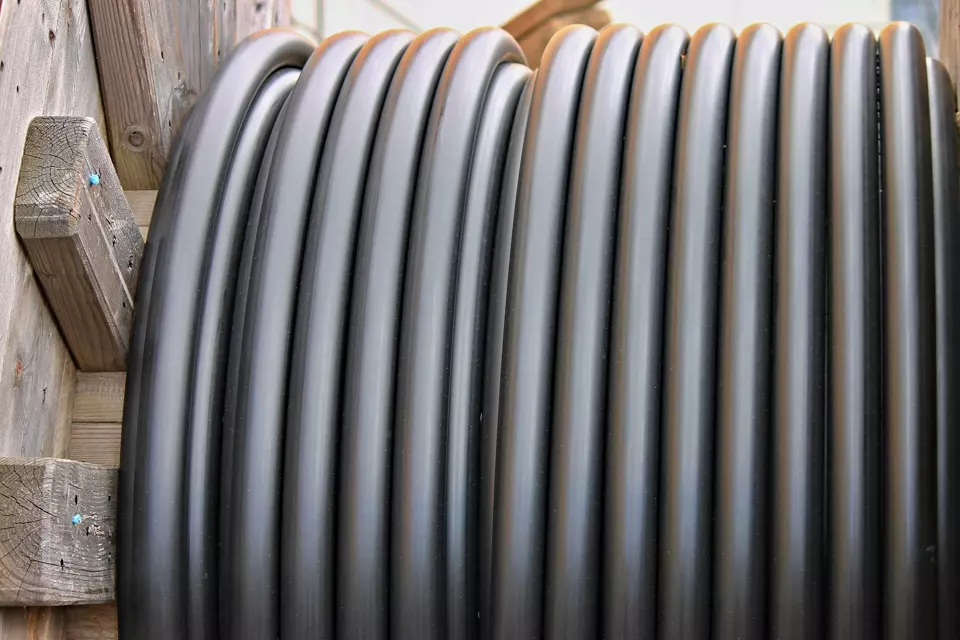
- Licensed dealerA Wigan Council scrap metal site licence, on the public register.
- Paid by bank transferStraight into your account, with a weight and grade record for each load.
- Graded, not lumped inEach metal priced for what it is, not as the cheapest thing in the pile.
- Paperwork doneWaste transfer notes for every collection, so your records stay complete.
On most electrical and M&E jobs, cable is the biggest pile of scrap and the easiest to sell short. A cage of offcuts looks like one thing. To a buyer it is several grades, each giving back a different amount of metal. Sold as one heap, it is priced on its weakest part.
We hold Wigan Council scrap metal site licence SML/S0042 and an upper-tier Environment Agency registration as a waste carrier, broker and dealer, so we can collect your cable, buy it and hand over the paperwork in one go. Heavy cabling from plant rooms and industrial strip-outs is our focus.
Grades
Scrap cable grades, and how to keep each one clean
- 01
Armoured cable (SWA and AWA)
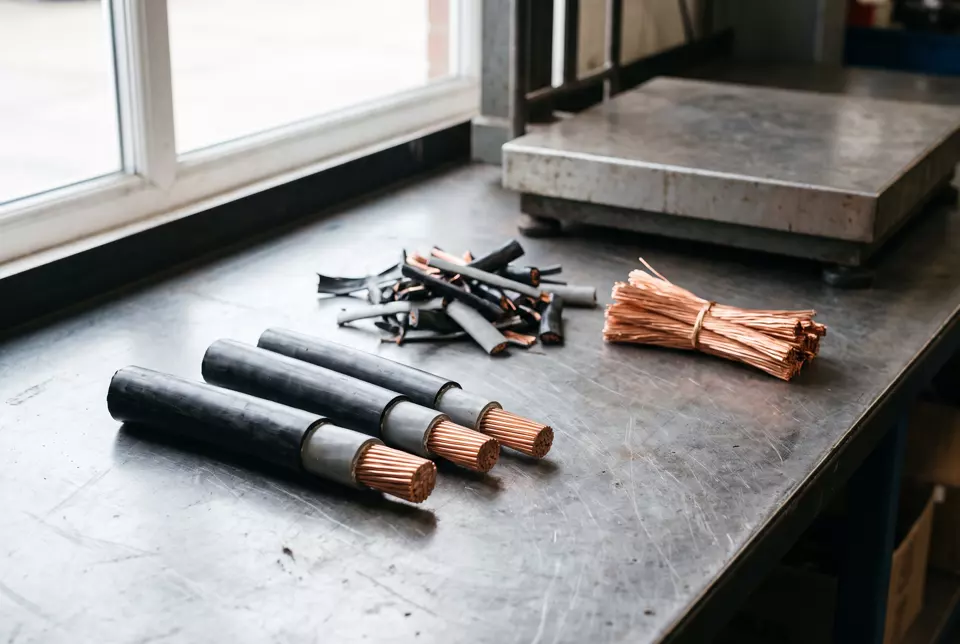
Multicore cable with steel wire armour (SWA), or single-core with aluminium wire armour (AWA). Armour adds weight that pays little. Keep SWA and AWA apart, and cut off the brass glands to sell as brass.
- 02
High-grade insulated cable
Heavy single-core and large unarmoured power cable with thick copper conductors. Most of its weight is copper, so it heads the insulated grades. Keep thin wiring, lugs and tape out of it.
- 03
Aluminium conductor cable
Mains and sub-main cable with aluminium cores. Aluminium is worth well below copper, so a few lengths hidden in a copper load muddle the grade. Not sure? Cut an end: aluminium is silver-white right through.
- 04
Multicore control cable
Many thin cores in one sheath, often screened or braided. It gives back less copper than power cable but more than house wiring. Bag it on its own, minus terminals and glands.
- 05
Low-grade insulated cable
Twin and earth, flex and lighting cable. Fine conductors and heavy plastic mean less of the weight is copper. Cut off plugs, ceiling roses and connectors and it grades cleanly.
- 06
Data and telecom cable
Cat5, Cat6 and copper telephone cable: hair-thin copper pairs in a lot of plastic, which makes it the lowest copper cable grade. Bagged on its own, free of patch panels and faceplates, it still sells.
Price
What decides the price of scrap cable
Cable is bought on the metal inside it. Copper conductor is worth more than aluminium, and both are priced against the London Metal Exchange (LME), which moves through every trading day.
The grade reflects yield: how much metal is left once the sheath, bedding and armour are gone. Heavy single-core gives back far more than Cat6. Cable free of lugs, plugs and tape grades better, mud and water cost you weight, and a full cage of one grade is simpler to price than a mixed bag.
For today’s scrap cable price, ring 01942 906041. You can also email info@resilient-contracting.co.uk with photos showing a cut end, plus a rough weight or length, and we’ll come back with the grade and the day’s price.
Today’s price, on the day
Scrap prices follow the metals markets and change daily. Call 01942 906041 or send photos and a rough weight through the quote form, and we will price what you actually have, grade by grade.
Cable we buy and collect
- SWA steel-armoured multicore cable
- AWA aluminium-armoured single-core cable
- Heavy single-core copper power cable
- Aluminium conductor mains and sub-main cable
- Multicore power, control and instrumentation cable
- Welding cable and heavy rubber flex
- Drum ends, part drums and installation offcuts
- Strip-out cable from plant rooms, factories and offices
- Twin and earth, flex and lighting cable
- Cat5, Cat6 and copper telephone cable
- Brass cable glands cut from armoured ends
- Mixed cable that can’t be sorted on site
Cable that needs a different route
- Paper-insulated lead-covered cable, or any cable that may hold oil or tar: tell us first, as it needs a specialist hazardous waste route
- Cable still wired into appliances, light fittings or machines: that is electrical waste, for a WEEE collection
- Fibre-optic cable: it is glass, not metal, so it goes to a specialist recycler or general waste
- Empty cable drums and pallets: wood recycling, or back to the cable supplier if it runs a drum return scheme
- Plastic trunking, conduit and ties: these belong in plastic recycling, or general waste if dirty
Collection
How we collect scrap cable
Set up around your site and the amount you produce, so each metal stays in its own grade until it is collected.
Lockable cages
A steel cage by the stores keeps cable secure and off the floor. Use one per grade, or labelled bags inside one.
Bulk bags
Flex, short tails and data cable go into bulk bags, one grade to a bag, ready to lift on at collection.
Roll-on/roll-off skips
For plant room and factory strip-outs, a roll-on/roll-off skip takes long lengths of armoured cable without anyone cutting it down.
A collection when you’re ready
Occasional loads need no kit at all. Tell us what is piling up in the yard and we’ll say when it’s worth collecting.
Why it matters
Selling cable legally, and why sorting pays
The Scrap Metal Dealers Act 2013 keeps a close watch on how cable is bought. Before we take any scrap, we have to check your full name and address using a reliable, independent document and record what comes in. We pay by bank transfer, never cash: a buyer paying cash for scrap metal is breaking the law.
Sorting is where you earn the money back. Splitting armoured from unarmoured, and power from data, as you work is usually the cheapest way to lift a load’s value. Every collection also comes with a waste transfer note, the paper trail main contractors and clients ask for at handover.
How it works
From a phone call to money in the bank
Say what the metal is and give us a rough weight or a skip size. A photo or two speeds it up. You will know how it will be priced before anything moves.
Call or send photos
What the metal is, how it is mixed, roughly how much and where it is. A few photos usually tell us most of it.
Collection arranged
A one-off pick-up, or cages, bins or a skip on site so it can be kept apart as it comes out.
Weighed and graded
Each metal is weighed and graded for what it is, so clean copper is not paid as mixed scrap.
Paid by bank transfer
Payment against the weights and grades, with a waste transfer note for the load.
Related services
Other scrap we buy
-
Scrap copper
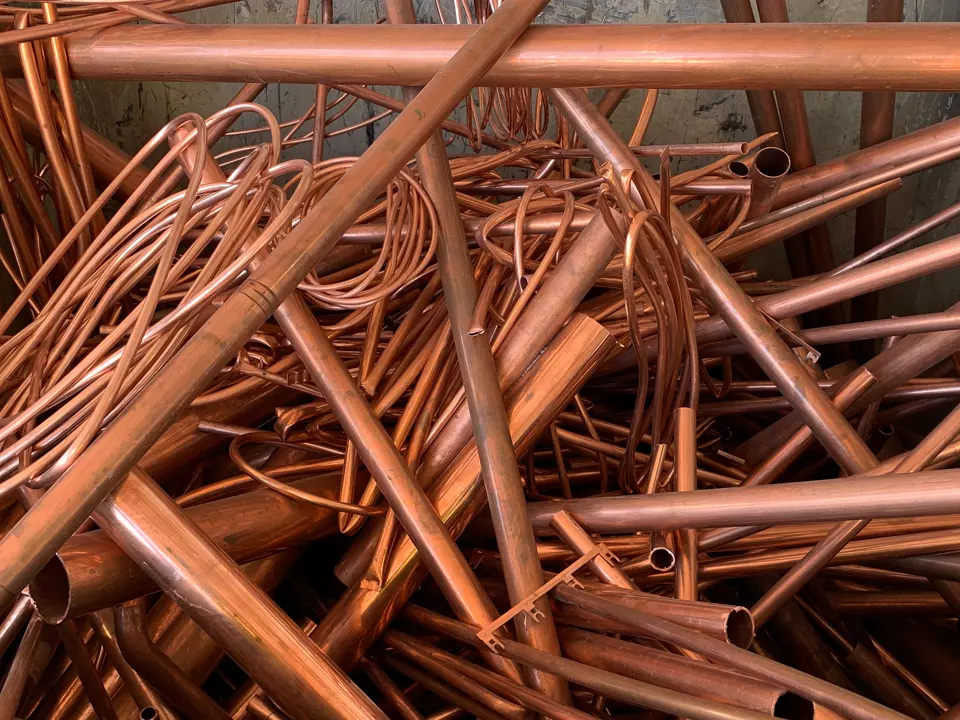
Bright wire, heavy copper, tube, pipe and mixed copper, each grade kept apart so you are paid for what it really is. Find out more -
Scrap stainless steel
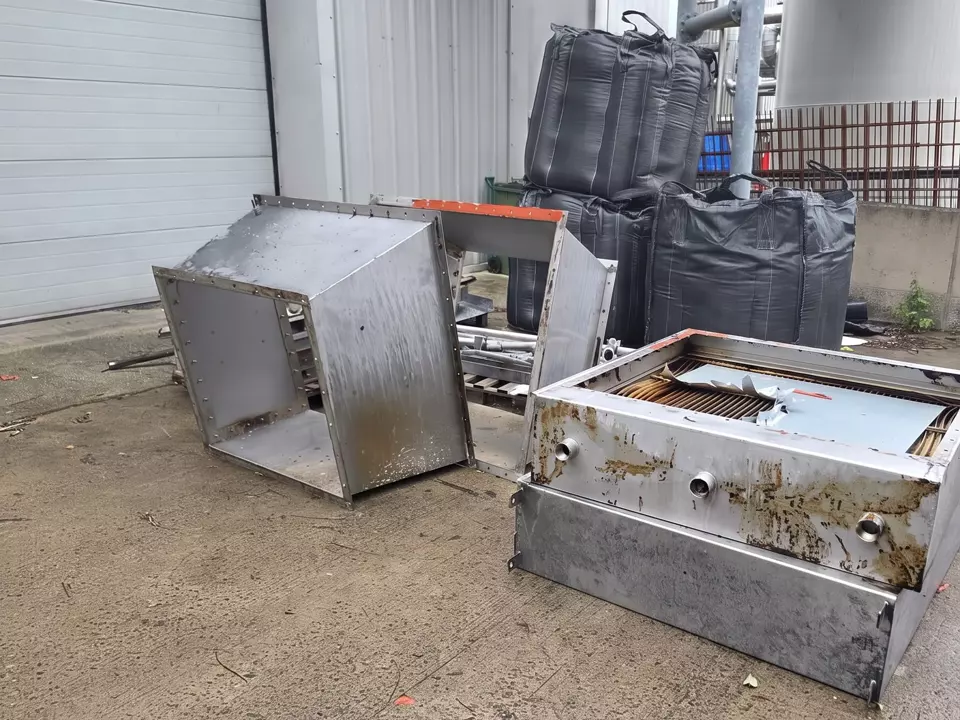
Industrial stainless from plant, ducting, tanks and fabrication, sorted by grade so its nickel content counts. Find out more -
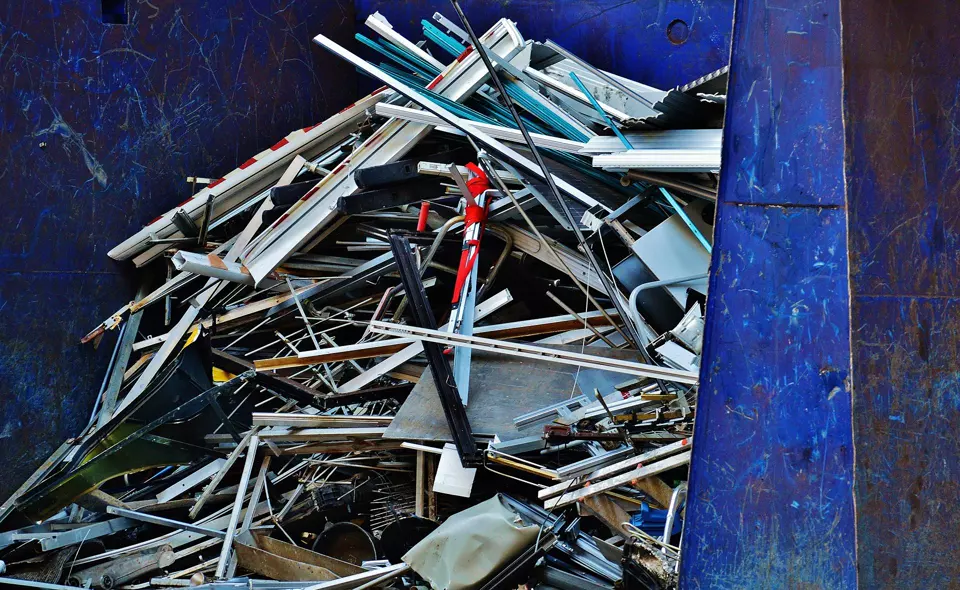
Scrap aluminium
Extrusions, sections, sheet, castings and turnings, kept clean and separate from steel and plastics. Find out more
What is the scrap price for armoured cable?
We price it on the day, because it follows the copper and aluminium markets. Armoured cable usually pays less per kilo than the same cable unarmoured, since part of what you sell is armour rather than copper. Big multicore SWA with heavy cores still grades well. Send a photo of a cut end and we’ll price it.
Is cable stripping worth doing yourself?
Only for heavy cable, and only with a proper stripping machine. Thick single-core strips down to bare copper that can grade as bright or heavy copper. Thin wiring and data cable take far too long for the gain, so send them insulated. Strip only cable that has been proved dead, and never burn insulation off: the Clean Air Act 1993 makes that an offence.
What counts as high-grade cable?
Cable where most of the weight is copper: heavy single-core, large unarmoured power cable and thick welding cable. The thicker the conductor compared with its insulation, the higher the grade. House wiring, control cable and data cable sit lower, because more of what you sell is plastic. A photo of a cut end usually tells us which grade you have.
Can you take old lead-covered or oil-filled cable?
Tell us before it goes anywhere. Old paper-insulated lead-covered cable and oil-filled cable can contain oil or tar. Cable with oil, tar or other hazardous substances in it is hazardous waste (17 04 10* in the List of Waste), so it needs a specialist route and a consignment note. Ordinary cable is 17 04 11, and the two must never be mixed.
How do I get today’s price for my scrap?
Call 01942 906041 or send us a few photos through the quote form with a rough weight or volume. Scrap prices follow the metals markets and change from day to day, so we price on what you actually have at the time, by grade, rather than quoting a figure that could be out of date tomorrow.
Is it worth separating our scrap?
Almost always. A load is graded on what drags it down, so copper with brass fittings left on, stainless with mild steel brackets or cable thrown in with general waste is bought as the poorer material. One cage or bin per metal, with the rubbish kept out, is the cheapest way to lift what your scrap earns.
Do you take batteries, oily sludge or contaminated scrap?
Tell us first. Lead-acid batteries, oily metal sludge, cable containing oil or tar and metal contaminated with hazardous substances are hazardous waste. They must be kept separate from other scrap and need a specialist route and consignment notes. We will tell you straight away what we can arrange.
Scrap cable across the North West
Collections of scrap cable from sites right across the region. Each town page covers the estates and industry nearby.
- WiganOur home town
- Skelmersdale4 miles from our Martland Park site
- Chorley7 miles from our Martland Park site
- St Helens7 miles from our Martland Park site
- Leigh8 miles from our Martland Park site
- Bolton10 miles from our Martland Park site
- Warrington12 miles from our Martland Park site
- Preston14 miles from our Martland Park site
- Bury16 miles from our Martland Park site
- Liverpool16 miles from our Martland Park site
- Salford17 miles from our Martland Park site
- Manchester19 miles from our Martland Park site
Sell your scrap
Get today’s price for your scrap cable
Tell us what metal you have, roughly how much and where it is. Photos help. We will come back with how it will be priced and how to get it collected.
- Call 01942 906041For today’s price and a collection
- Emailinfo@resilient-contracting.co.uk
- Our siteUnit 11 Otterswood Square, Martland Park, Wigan WN5 0LF