
Scrap steel and heavy ferrous bought from industry
Structural steel, plate, cast iron, machinery and racking from plant strip-outs, factories and site work. Graded properly and paid by bank transfer, never cash.
- Licensed dealerA Wigan Council scrap metal site licence, on the public register.
- Paid by bank transferStraight into your account, with a weight and grade record for each load.
- Graded, not lumped inEach metal priced for what it is, not as the cheapest thing in the pile.
- Paperwork doneWaste transfer notes for every collection, so your records stay complete.
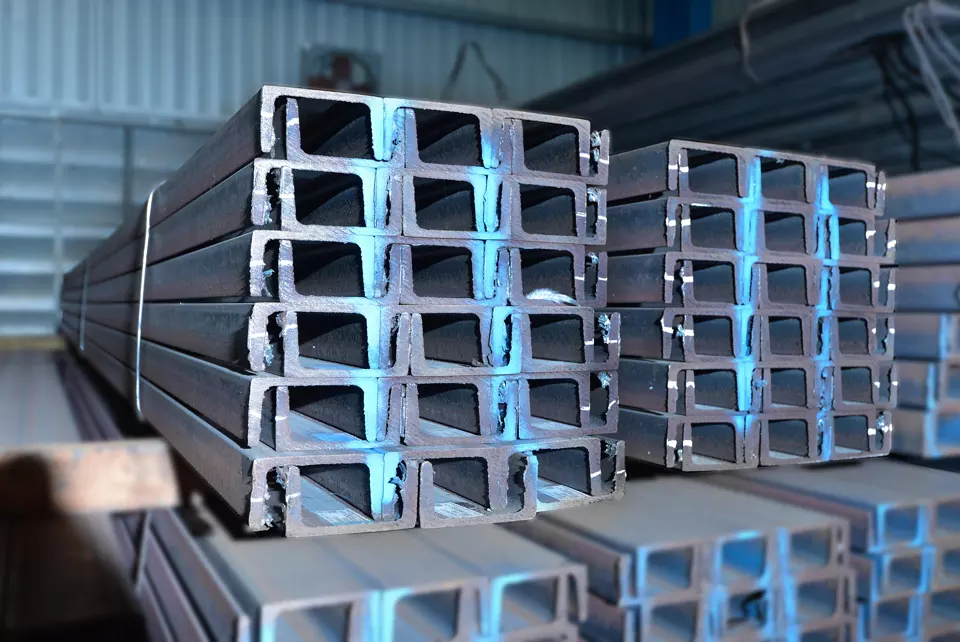
Ferrous scrap is the heavy end of the trade: beams and columns from a building strip, plate and burnings from a fabrication shop, cast iron machine bases and warehouse racking. Per tonne it is worth less than copper or stainless, but it comes in tonnes, so it deserves better than a general skip.
Resilient Contracting buys heavy steel and mixed ferrous from demolition and strip-out contractors, fabricators, manufacturers and facilities teams across the North West. As a licensed scrap metal dealer and upper-tier waste carrier, broker and dealer, we supply containers, collect from your site, grade the steel and pay by bank transfer.
Grades
How ferrous scrap is graded
- 01
Structural steel
Beams, columns, channels and angle from building and plant strip-outs. Heavy, clean sections are the easiest ferrous scrap to grade, so knock off concrete and timber where you can.
- 02
Heavy steel and plate
Thick plate, burnings, skeletons and heavy offcuts from fabrication and profiling. Thick, dense steel grades higher than thin material, so keep heavy plate apart from sheet and light gauge.
- 03
Cast iron
Machine beds and bases, pipe, gearbox housings and old radiators. Cast iron is brittle, cracking rather than bending, and it is graded on its own, so keep it out of the steel.
- 04
Light iron
Thin sheet, cladding, shelving, light frames and ducting. It is bulky for its weight and grades below heavy steel, so it is often best collected in its own large container.
- 05
Rebar and mesh
Reinforcing bar and mesh from site work and demolition. It is good steel, but concrete left on it is weight that isn’t metal, so knock off what you can.
- 06
Machinery and plant
Redundant machines, frames, conveyors and process plant, bought for their metal once oil, fuel and coolant are drained and the electrics removed. Separate motors and other non-ferrous parts where you can.
Price
What decides the price of scrap steel
Ferrous scrap prices follow demand from steelmakers and foundries, at home and overseas, so they move with the wider steel market. Then comes grade: heavy structural steel and plate grade higher than light iron, and cast iron is priced on its own. Cleanliness, cutting, sorting and load size all count.
Logistics matter more with steel, because the value per tonne is lower, so access, the size of the pieces and the tonnage all shape the price. For today’s price, call 01942 906041 or send photos through the form on this page, with the site address and a rough tonnage or a list of what is coming out.
Today’s price, on the day
Scrap prices follow the metals markets and change daily. Call 01942 906041 or send photos and a rough weight through the quote form, and we will price what you actually have, grade by grade.
Ferrous scrap we buy
- Beams, columns, channels and angle
- Plate, flat bar, burnings and skeletons
- Cast iron machine bases, pipe and radiators
- Pallet racking, shelving and mezzanine steel
- Redundant machinery, drained of oil and fuel
- Steel tanks and hoppers, emptied and cleaned
- Rebar and reinforcing mesh from site work
- Steel pipe and tube
- Sheet steel, cladding and light gauge
- Conveyors, frames and gantries
- Gates, fencing and palisade
What can’t go in with the steel, and where it goes
- Gas cylinders, aerosols and sealed or pressurised containers: returned to the gas supplier, or tell us first
- Machinery, tanks or drums still holding oil, fuel or chemicals: drained and cleaned first, or tell us first; it needs a specialist route
- Steel with asbestos lagging, gaskets or panels: surveyed and dealt with by a specialist asbestos contractor first
- Control panels and electrical equipment: removed first and sent for WEEE treatment
- Concrete, brick and timber in bulk: knocked off, with hardcore to inert recycling and timber to wood recycling
- End-of-life cars and vans: an authorised treatment facility (ATF)
Collection
Skips and containers for heavy steel
Set up around your site and the amount you produce, so each metal stays in its own grade until it is collected.
Roll-on roll-off containers
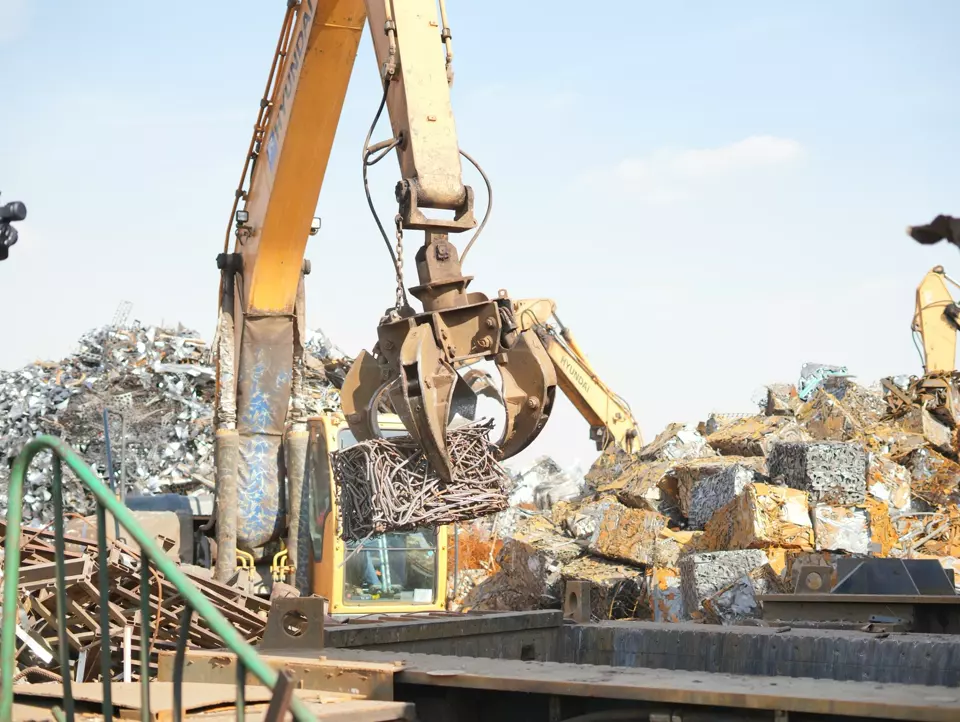
For plant strip-outs, demolition and factory clear-outs. Big open containers take structural sections, plate and machinery frames, and each full one is exchanged for an empty.
Open skips for production scrap
For fabrication shops and factories with a steady flow of offcuts and burnings. One skip for heavy steel and another for light iron keeps the grades clean.
Large items collected loose
Machine beds, tanks and long sections that won’t fit a container. Tell us sizes, weights and access, and we arrange the right vehicle for the collection.
Why it matters
Ferrous and non-ferrous: why the split matters
A magnet is the quick test. If it sticks, the metal is almost always ferrous: iron-based, like structural steel, plate and cast iron. If not, you probably have a non-ferrous metal such as copper, aluminium, brass or lead, worth much more per tonne. Stainless is the exception: iron-based, often barely magnetic, and priced on its own.
The split matters on strip-outs, because non-ferrous parts hide inside ferrous items: copper windings in motors, brass valves on pipework, aluminium fins on heat exchangers. Left in the steel, they are paid as steel. Pulled out, they are graded on their own, and we can tell you what is worth separating before the job starts.
How it works
From a phone call to money in the bank
Say what the metal is and give us a rough weight or a skip size. A photo or two speeds it up. You will know how it will be priced before anything moves.
Call or send photos
What the metal is, how it is mixed, roughly how much and where it is. A few photos usually tell us most of it.
Collection arranged
A one-off pick-up, or cages, bins or a skip on site so it can be kept apart as it comes out.
Weighed and graded
Each metal is weighed and graded for what it is, so clean copper is not paid as mixed scrap.
Paid by bank transfer
Payment against the weights and grades, with a waste transfer note for the load.
Related services
Other scrap we buy
-
Scrap cable
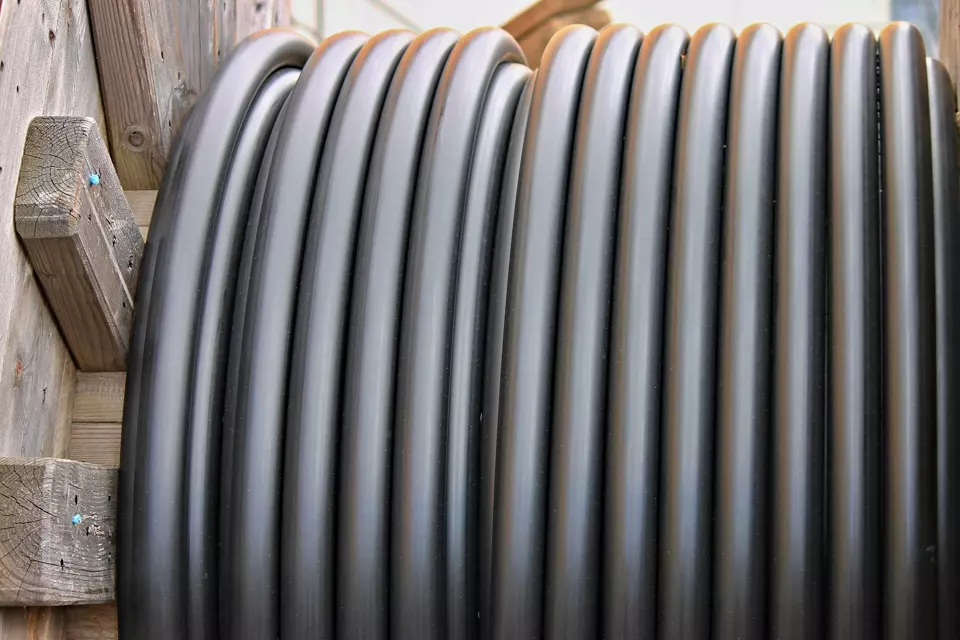
SWA and power cable, copper and aluminium conductor runs, rewire offcuts and whole drums, sorted by type and paid for by bank transfer. Find out more -
Scrap copper
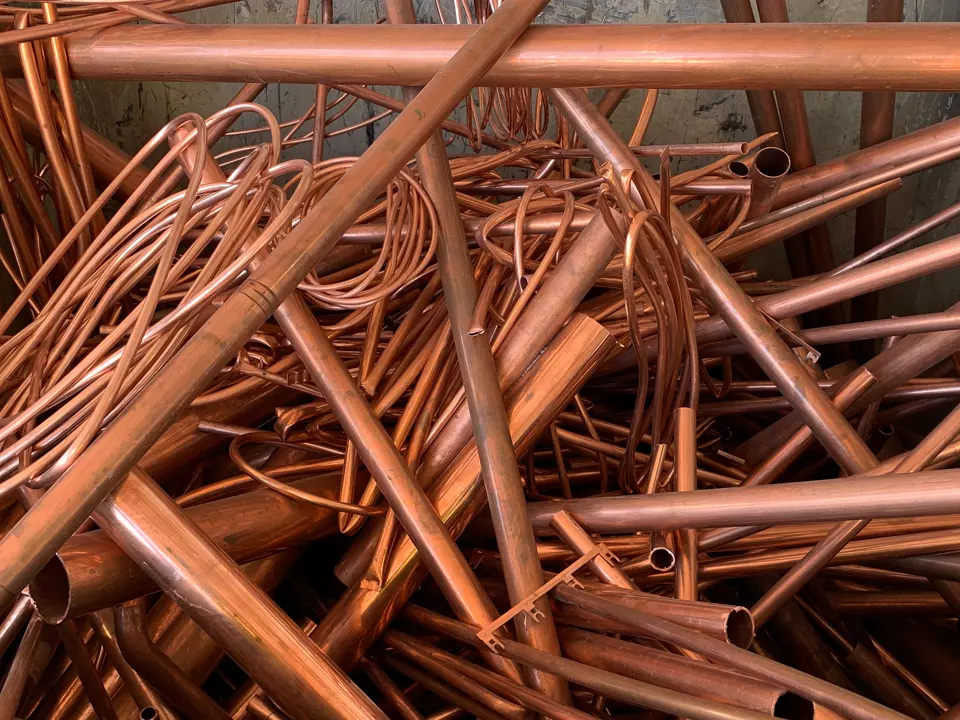
Bright wire, heavy copper, tube, pipe and mixed copper, each grade kept apart so you are paid for what it really is. Find out more -
Scrap stainless steel
Industrial stainless from plant, ducting, tanks and fabrication, sorted by grade so its nickel content counts. Find out more
Can you take the metal from a full plant strip-out?
Yes. Send us the scope: what is coming out, rough tonnages, access and your programme. We plan containers and collections around the work, with separate containers for steel, cast iron, stainless and non-ferrous so each grade is priced on its own. Your team or contractor must isolate, drain and make plant safe before cutting.
Does rebar need the concrete knocking off?
As much as is practical. Concrete is weight that isn’t metal, so heavily encased rebar is graded down or has a deduction made. Clean bar and mesh, cut to manageable lengths, is straightforward. Keep rebar in its own container rather than in general site rubbish, and send loose concrete for inert recycling.
Is old pallet racking worth anything as scrap?
Yes, as steel. Uprights, beams and bracing add up quickly across a warehouse. Take off timber decking, plastic and labels first. If the racking is undamaged, check whether it can be sold for reuse: the waste hierarchy puts reuse ahead of recycling, and sound racking can be worth more that way.
What paperwork comes with a steel collection?
A waste transfer note for each load, or a season ticket covering regular collections of the same waste for up to a year, kept for at least two years. Steel from construction and demolition is usually coded 17 04 05, iron and steel. We also verify your business name and address, as the Scrap Metal Dealers Act 2013 requires.
Is it worth separating our scrap?
Almost always. A load is graded on what drags it down, so copper with brass fittings left on, stainless with mild steel brackets or cable thrown in with general waste is bought as the poorer material. One cage or bin per metal, with the rubbish kept out, is the cheapest way to lift what your scrap earns.
Can you work alongside our main contractor on a strip-out?
Yes. Strip-outs and decommissioning are a big part of what we do. We agree where the skips and cages go, how metals will be segregated as the plant comes out, and when loads are collected, then provide the paperwork for every load so the site’s waste records are complete.
Scrap steel and iron across the North West
Collections of steel and iron from sites right across the region. Each town page covers the estates and industry nearby.
- WiganOur home town
- Skelmersdale4 miles from our Martland Park site
- Chorley7 miles from our Martland Park site
- St Helens7 miles from our Martland Park site
- Leigh8 miles from our Martland Park site
- Bolton10 miles from our Martland Park site
- Warrington12 miles from our Martland Park site
- Preston14 miles from our Martland Park site
- Bury16 miles from our Martland Park site
- Liverpool16 miles from our Martland Park site
- Salford17 miles from our Martland Park site
- Manchester19 miles from our Martland Park site
Sell your scrap
Get today’s price for your steel and iron
Tell us what metal you have, roughly how much and where it is. Photos help. We will come back with how it will be priced and how to get it collected.
- Call 01942 906041For today’s price and a collection
- Emailinfo@resilient-contracting.co.uk
- Our siteUnit 11 Otterswood Square, Martland Park, Wigan WN5 0LF