
Scrap brass bought by grade, from honey brass to mixed fittings
Resilient Contracting buys scrap brass from plumbing and heating firms, engineers, machine shops and strip-out contractors. Brass kept apart from copper and steel grades higher, and every load is paid by bank transfer.
- Licensed dealerA Wigan Council scrap metal site licence, on the public register.
- Paid by bank transferStraight into your account, with a weight and grade record for each load.
- Graded, not lumped inEach metal priced for what it is, not as the cheapest thing in the pile.
- Paperwork doneWaste transfer notes for every collection, so your records stay complete.
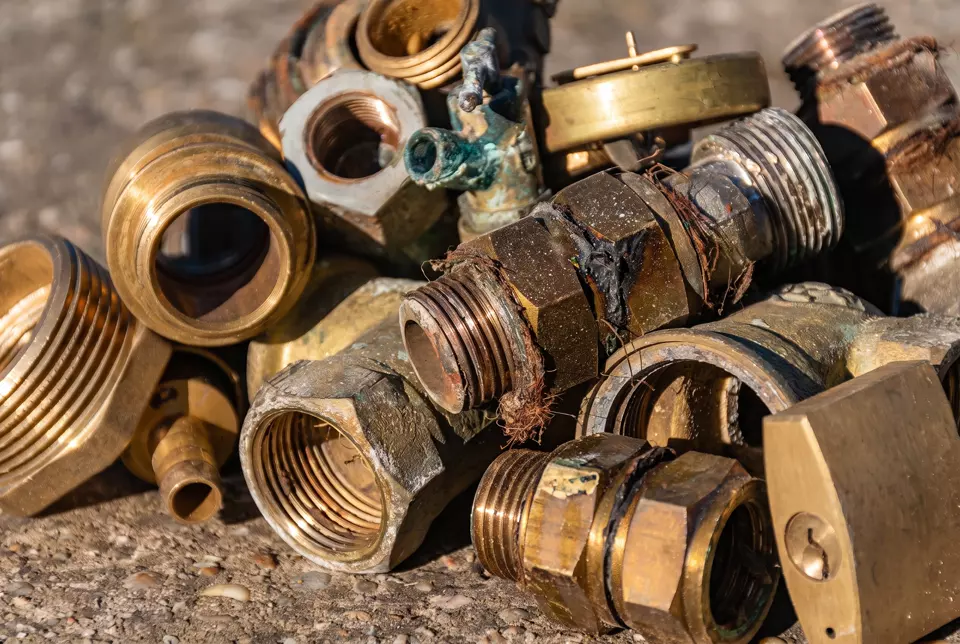
Brass is mostly copper with zinc added, so it is worth far more than steel. It turns up as taps, valves, compression fittings, cable glands, door furniture, castings and turnings. Most of it comes with something attached, such as a steel spindle, a washer, a chrome finish or a plastic handle, and that attachment sets the grade.
We buy clean and mixed brass and tell you straight which grade a load is in. For plumbing teams that usually means a separate bucket on the van; for machine shops, dry turnings kept away from steel swarf. Either way, it is collected, weighed and paid by bank transfer.
Grades
Brass grades, and how to keep brass clean
- 01
Clean or honey brass
Solid yellow brass with nothing attached: castings, rod ends, plate, and fittings stripped of washers and steel. It is the top brass grade, so keep it in its own lidded container, away from copper and chrome.
- 02
Mixed brass fittings and valves
Taps, valves and compression fittings as they come off the job, with some rubber, plastic or small steel parts left in. Most site brass starts in this grade.
- 03
Brass turnings and swarf
Chips and turnings from machining brass bar. Drained, dry and free of steel swarf, they grade well. Wet or oily turnings are priced down, because the buyer is paying for metal, not coolant.
- 04
Chrome-plated brass
Kitchen and bathroom taps, shower bodies and fittings with a chrome finish. The brass underneath is the same, but the plating has to come off in the melt, so it is a separate, lower grade.
- 05
Irony or attached brass
Valves with steel spindles or handwheels, brass with plastic bodies or handles, and fittings bolted to steel. Take off what you safely can; whatever stays on is graded and priced for the attachment.
- 06
Gunmetal and bronze
Reddish-brown valves, pump bodies and bushes. They carry tin as well as copper, with less zinc, so they are usually worth more than yellow brass. Never let them go in the brass bucket.
Price
What decides the price of scrap brass
Brass has no exchange price of its own. It is priced from its two main metals, copper and zinc, both traded on the London Metal Exchange (LME). Copper makes up most of it, so brass rises and falls with copper from day to day.
The grade comes from whatever else is in the load. Chrome plating, steel spindles, washers, plastic handles and oil each push brass down a grade, and gunmetal thrown in with yellow brass loses its premium. Solid castings are simpler to grade than fine turnings, and larger amounts of one grade are easier to price accurately.
Want today’s scrap brass price? Call 01942 906041, or send photos and roughly how much you have to info@resilient-contracting.co.uk. Once we’ve seen it, we’ll tell you the likely grade and what it’s paying, then confirm when the brass is weighed.
Today’s price, on the day
Scrap prices follow the metals markets and change daily. Call 01942 906041 or send photos and a rough weight through the quote form, and we will price what you actually have, grade by grade.
Brass we buy and collect
- Clean brass castings, plate and rod ends
- Compression fittings and plumbing brass
- Gate valves, ball valves and stopcocks
- Radiator valves
- Taps and mixers, plain or chrome-plated
- Brass cable glands
- Brass turnings and swarf, drained
- Solid brass door furniture and ironmongery
- Gunmetal and bronze valves and pump bodies
- Brass with steel or plastic attached
Brass look-alikes, and items that go elsewhere
- Brass-plated or brass-effect steel: a magnet sticks to it, so it goes with ferrous scrap
- Gas valves and regulators still connected: disconnecting them is gas work for a Gas Safe registered engineer
- Old light fittings, switches and sockets with brass parts: a WEEE collection for electrical waste
- Valves from oil, fuel or chemical lines still holding product: drain and clean them, or tell us first for a specialist route
- Copper pipe and wire: they have their own grades, so keep them in a separate copper container
Collection
How to store brass for collection
Set up around your site and the amount you produce, so each metal stays in its own grade until it is collected.
A bucket on every van
For plumbing and heating teams, one lidded bucket for brass and one for copper keeps the two apart at source.
Lidded drums at the lathe
A labelled drum just for brass swarf keeps turnings dry and out of the steel bin.
Cages, stillages and skips
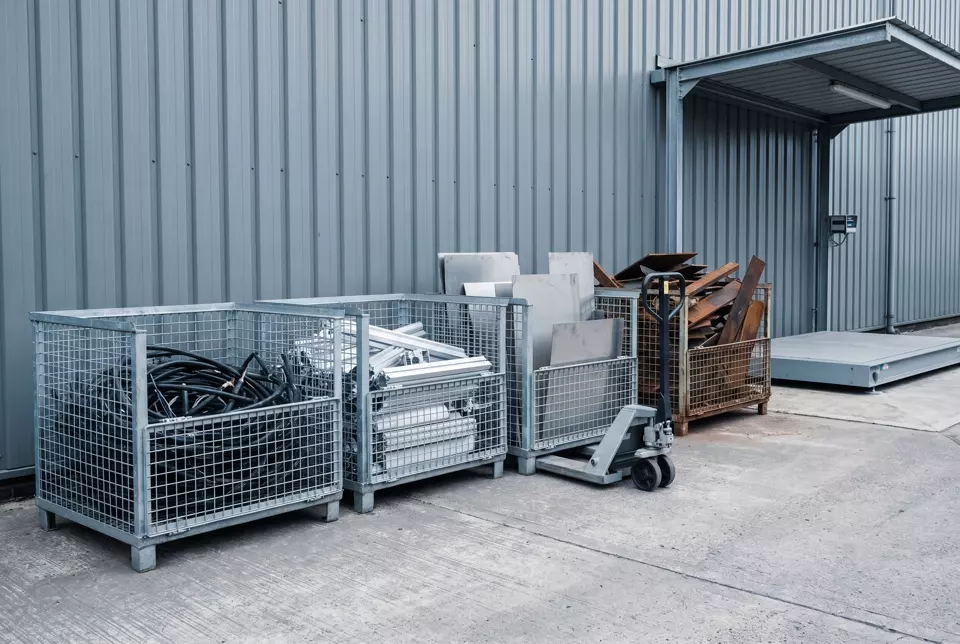
Heavy gate valves, pump bodies and castings from a plant strip-out go in a cage, or a roll-on/roll-off skip for a big clear-out.
Collection when the drums are full
Brass is dense, so a few buckets soon add up. Call when you’re ready and we’ll arrange a collection.
Why it matters
Getting brass graded and paid properly
Brass repays a little sorting. Most pieces are small enough to handle, and the attachments come off with a spanner or snips. Pull washers and handles, unscrew the spindles you can, and fittings move from mixed to clean. Keep gunmetal in its own bucket, and chrome taps in another.
The Scrap Metal Dealers Act 2013 means we have to verify your full name and address before taking scrap, record what we receive and keep those records for three years. Payment is by bank transfer, never cash, and each collection comes with a waste transfer note for your duty of care records.
How it works
From a phone call to money in the bank
Say what the metal is and give us a rough weight or a skip size. A photo or two speeds it up. You will know how it will be priced before anything moves.
Call or send photos
What the metal is, how it is mixed, roughly how much and where it is. A few photos usually tell us most of it.
Collection arranged
A one-off pick-up, or cages, bins or a skip on site so it can be kept apart as it comes out.
Weighed and graded
Each metal is weighed and graded for what it is, so clean copper is not paid as mixed scrap.
Paid by bank transfer
Payment against the weights and grades, with a waste transfer note for the load.
Related services
Other scrap we buy
-
Scrap cable
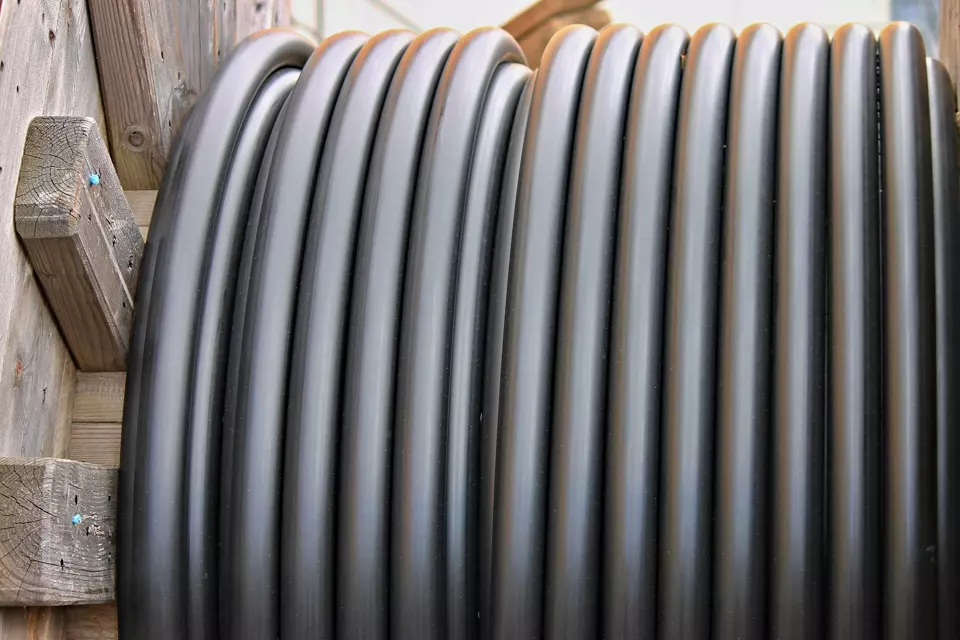
SWA and power cable, copper and aluminium conductor runs, rewire offcuts and whole drums, sorted by type and paid for by bank transfer. Find out more -
Scrap copper
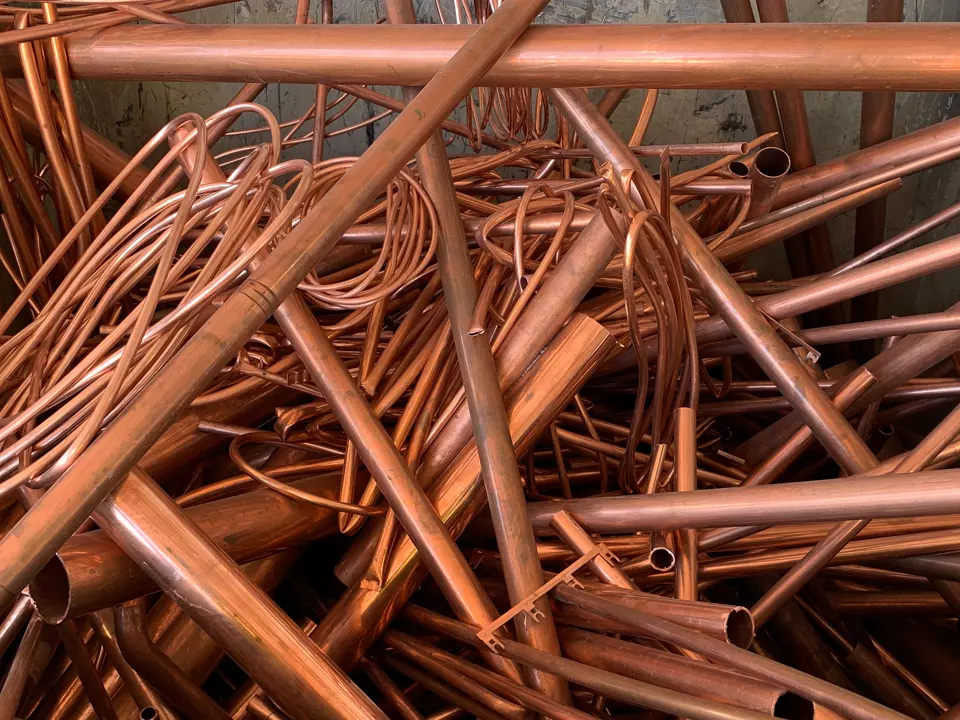
Bright wire, heavy copper, tube, pipe and mixed copper, each grade kept apart so you are paid for what it really is. Find out more -
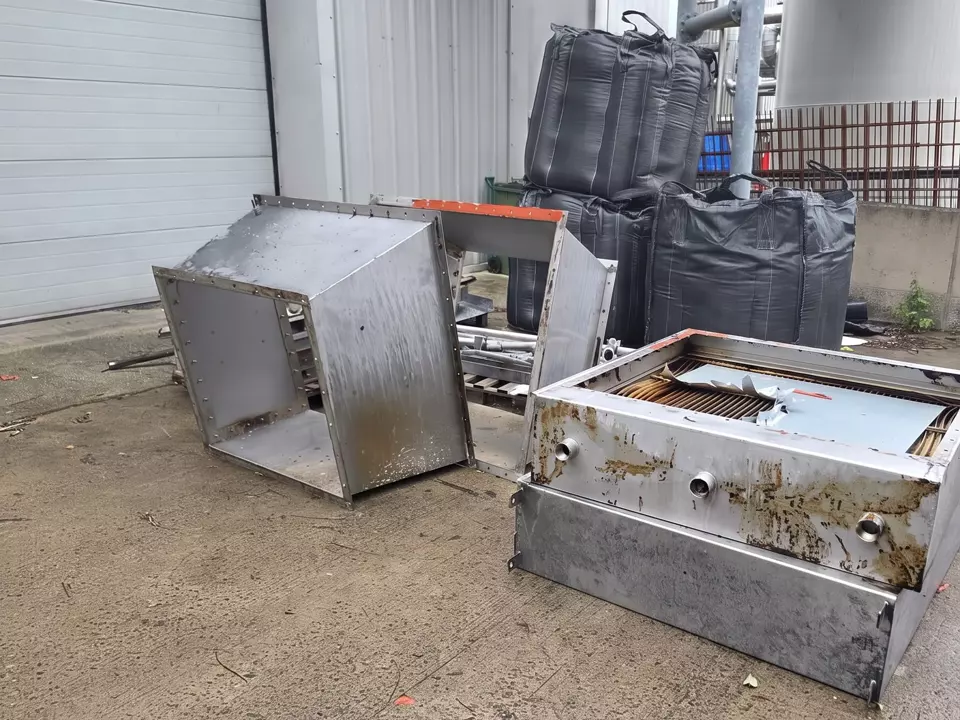
Scrap stainless steel
Industrial stainless from plant, ducting, tanks and fabrication, sorted by grade so its nickel content counts. Find out more
How much is brass scrap per kg?
It moves with copper, so the price per kg changes from day to day and is set on the day. Within that, grade sets it: clean honey brass pays the most, mixed fittings less, and brass with steel or plastic attached less again. Call or send a photo and we’ll price your brass on the day.
How can I tell if it’s brass?
Start with a magnet. Brass isn’t magnetic, so if the magnet sticks, it’s plated steel. File a hidden edge: brass is yellow underneath, copper is pinkish-red, and gunmetal and bronze are a duller reddish-brown. Brass is heavy for its size, so if a fitting feels light and shows grey when filed, it may be zinc alloy, which is graded differently.
Are chrome taps worth scrapping?
Yes. Most chrome taps and mixers have a brass body under the plating, so they’re bought as chrome-plated brass. Take out plastic handles, cartridges and flexible hoses if you can, and keep them apart from clean brass. Very light, cheap taps can be zinc alloy instead, so set aside any you’re unsure of and we’ll check them.
Is brass worth more than copper?
Usually not. Brass is mostly copper, but the rest is zinc, which is worth less, so clean brass normally sits below clean copper. That is also why mixing costs you: copper in a brass bucket is paid as brass. Keep copper pipe and wire in one container and brass fittings in another, and each is paid at its own grade.
How do I get today’s price for my scrap?
Call 01942 906041 or send us a few photos through the quote form with a rough weight or volume. Scrap prices follow the metals markets and change from day to day, so we price on what you actually have at the time, by grade, rather than quoting a figure that could be out of date tomorrow.
Is it worth separating our scrap?
Almost always. A load is graded on what drags it down, so copper with brass fittings left on, stainless with mild steel brackets or cable thrown in with general waste is bought as the poorer material. One cage or bin per metal, with the rubbish kept out, is the cheapest way to lift what your scrap earns.
Scrap brass across the North West
Collections of brass from sites right across the region. Each town page covers the estates and industry nearby.
- WiganOur home town
- Skelmersdale4 miles from our Martland Park site
- Chorley7 miles from our Martland Park site
- St Helens7 miles from our Martland Park site
- Leigh8 miles from our Martland Park site
- Bolton10 miles from our Martland Park site
- Warrington12 miles from our Martland Park site
- Preston14 miles from our Martland Park site
- Bury16 miles from our Martland Park site
- Liverpool16 miles from our Martland Park site
- Salford17 miles from our Martland Park site
- Manchester19 miles from our Martland Park site
Sell your scrap
Get today’s price for your brass
Tell us what metal you have, roughly how much and where it is. Photos help. We will come back with how it will be priced and how to get it collected.
- Call 01942 906041For today’s price and a collection
- Emailinfo@resilient-contracting.co.uk
- Our siteUnit 11 Otterswood Square, Martland Park, Wigan WN5 0LF