
Industrial stainless steel scrap, bought by grade
Process plant, ducting, tanks, sheet, tube and offcuts from fabrication shops and plant strip-outs, graded properly and paid for by bank transfer, never cash.
- Licensed dealerA Wigan Council scrap metal site licence, on the public register.
- Paid by bank transferStraight into your account, with a weight and grade record for each load.
- Graded, not lumped inEach metal priced for what it is, not as the cheapest thing in the pile.
- Paperwork doneWaste transfer notes for every collection, so your records stay complete.
What makes stainless valuable is what is alloyed into it: chromium and, in the common grades, nickel. A skip of stainless ducting is a different commodity from a skip of mild steel and should be sold as one. But the alloy only pays when the grade is known and kept apart.
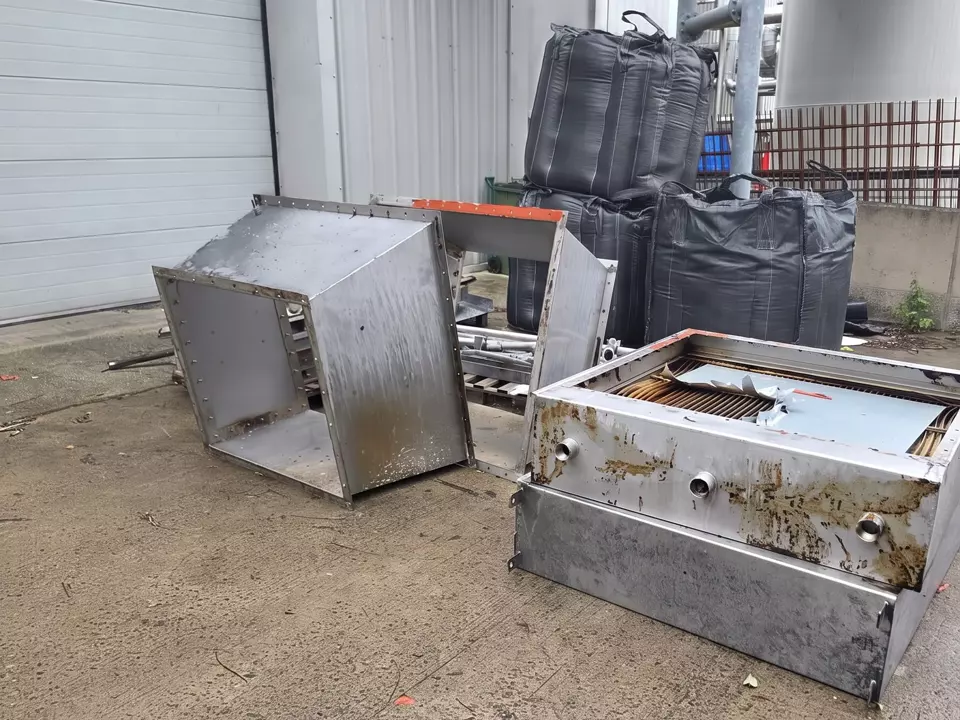
Resilient Contracting buys industrial stainless from fabricators, food, drink and chemical plants, process engineers and strip-out contractors across the North West. As a licensed scrap metal dealer at Martland Park, Wigan, we buy directly: we collect, grade and pay by bank transfer, with containers and collections planned around your strip-out programme.
Grades
Stainless grades we keep apart
- 01
Grade 304
The everyday austenitic grade, with chromium and nickel and no molybdenum. Much of the sheet, ducting, extraction hoods and general process pipework you see is 304. Clean and in volume, it grades and sells easily.
- 02
Grade 316
Adds molybdenum and more nickel, for better resistance to chlorides and harsh cleaning chemicals, so it is common in chemical, pharmaceutical and food plant. Mixed in with 304, it is likely to be paid as 304.
- 03
Ferritic stainless
Chromium-based grades such as 430, with little or no nickel. They are magnetic, which catches people out, and worth less than 304, so keep them apart from your austenitic stainless.
- 04
Duplex and special grades
Duplex and high-alloy grades used in demanding process and offshore work. Duplex is magnetic, so a magnet test can mislead. Label it and keep any mill certificates with it.
- 05
Stainless swarf
Turnings and chips from machining stainless, drained of cutting fluid and kept by grade. Swarf is graded separately from solids, and our swarf recycling page covers the bins.
- 06
Mixed or unknown stainless
Old plant with no paperwork is common. If the grades can’t be confirmed, the load is priced on what can be, usually the lower grade, so sort what you can before collection.
Price
What decides the price of scrap stainless steel
Stainless scrap prices follow nickel more than anything else, so they move with the nickel market on the London Metal Exchange. Chromium and molybdenum count too. After the market come grade, separation, form and cleanliness: clean solids of one known grade sit at the top, while mixed or contaminated stainless sits lower.
Presentation and quantity matter as well. Cut-down sheet and pipe is quicker to grade and load than ducting still bolted to its supports. For today’s price, call 01942 906041 or send photos through the form on this page, with the grades if you know them and roughly how much there is.
Today’s price, on the day
Scrap prices follow the metals markets and change daily. Call 01942 906041 or send photos and a rough weight through the quote form, and we will price what you actually have, grade by grade.
Industrial stainless we buy
- Process plant from food, drink, dairy and chemical sites
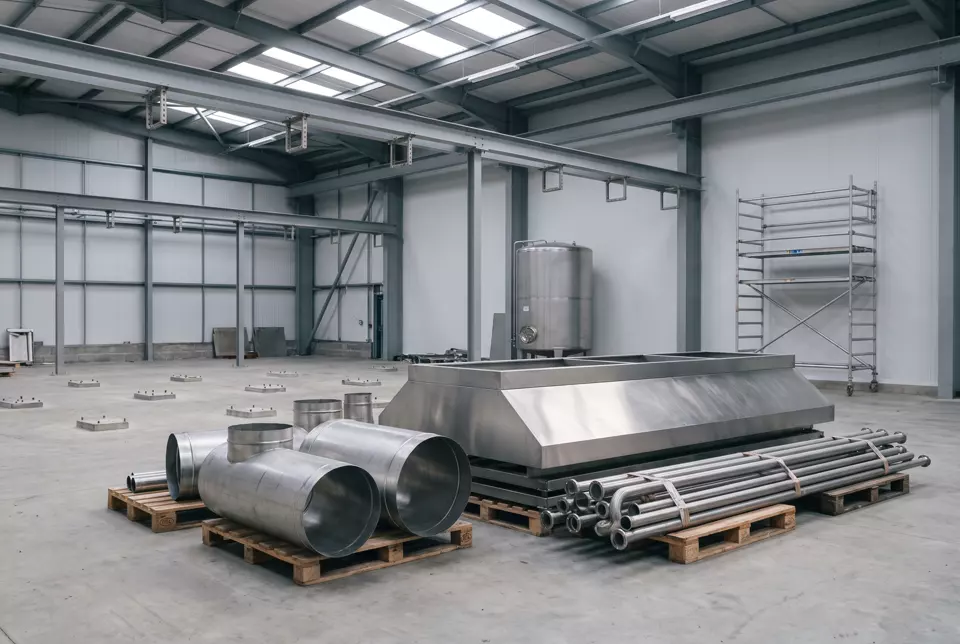
- Ducting, extraction hoods and canopies
- Tanks, vessels and hoppers, emptied and cleaned
- Sheet and plate, including laser and profile skeletons
- Tube, pipe, bends and fittings
- Bar, angle, flat and sections
- Fabrication offcuts, sorted by grade
- Stainless walkways, handrails and platforms
- Conveyor frames, mesh and guarding
- Stainless swarf, drained and kept by grade
What to take off first, and where it goes
- Mild steel brackets, supports and frames: cut off and sold as ferrous scrap
- Lagging and insulation: stripped and disposed of separately, with old lagging checked for asbestos and handled by a specialist contractor if found
- Tanks or pipework with product, chemical or oil residue: emptied and cleaned first, or tell us first; it needs a specialist route
- Control panels, sensors and wiring: removed first and sent for WEEE treatment
- Rubber seals, gaskets and plastic guarding in quantity: stripped off for plastic recycling or general waste
- Spent cutting fluid and grinding sludge: tell us first; it needs a specialist route
Collection
Collections for stainless steel scrap
Set up around your site and the amount you produce, so each metal stays in its own grade until it is collected.
Roll-on roll-off containers
For plant strip-outs and large refits. A big open container takes ducting, tanks and frames in volume and goes as a single load.
A bin for each grade
For fabrication shops producing offcuts every week. Marking the bin at the saw or laser means nobody has to sort grades later, when it is much harder.
One-off plant collections
Tanks, vessels and process lines collected as a single job once isolated, emptied and cleaned. Tell us sizes and weights and we plan the collection around them.
Why it matters
How stainless grades are identified
Start with a magnet, but don’t trust it too far. 304 and 316 should barely react, while ferritic grades such as 430 and duplex grades pull hard. Forming and welding can make 304 or 316 slightly magnetic at bends and seams, so a magnet tells you the family, never the grade.
In the trade, grades are confirmed by analysis, most often with handheld XRF analysers. Your own records help just as much: mill certificates, drawings and purchase orders show what the plant was built from. Keep grades apart and strip off mild steel and insulation, and the analysis simply confirms what you know.
How it works
From a phone call to money in the bank
Say what the metal is and give us a rough weight or a skip size. A photo or two speeds it up. You will know how it will be priced before anything moves.
Call or send photos
What the metal is, how it is mixed, roughly how much and where it is. A few photos usually tell us most of it.
Collection arranged
A one-off pick-up, or cages, bins or a skip on site so it can be kept apart as it comes out.
Weighed and graded
Each metal is weighed and graded for what it is, so clean copper is not paid as mixed scrap.
Paid by bank transfer
Payment against the weights and grades, with a waste transfer note for the load.
Related services
Other scrap we buy
-
Scrap cable
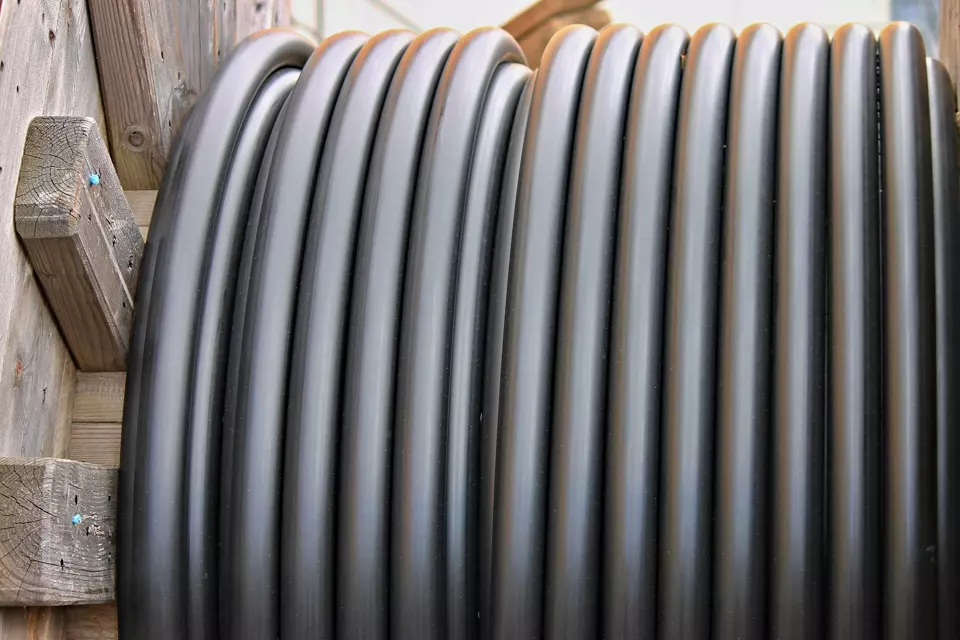
SWA and power cable, copper and aluminium conductor runs, rewire offcuts and whole drums, sorted by type and paid for by bank transfer. Find out more -
Scrap copper
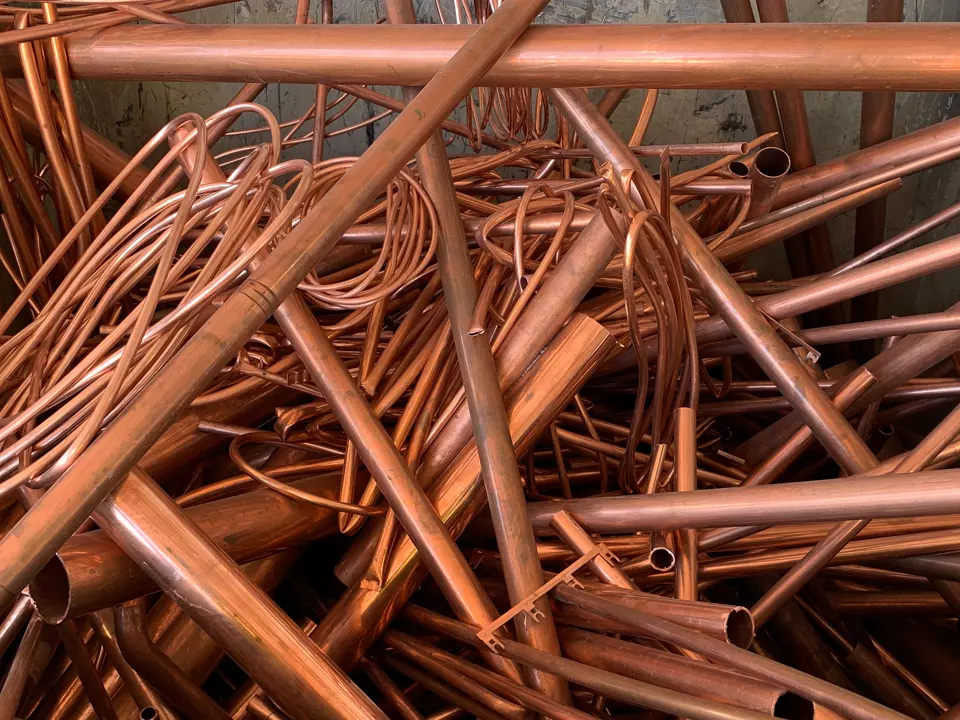
Bright wire, heavy copper, tube, pipe and mixed copper, each grade kept apart so you are paid for what it really is. Find out more -
Scrap aluminium
Extrusions, sections, sheet, castings and turnings, kept clean and separate from steel and plastics. Find out more
Is it worth keeping 304 and 316 apart?
If you produce both, yes. 316 carries molybdenum and more nickel, but that only counts when it can be shown. Once the two are mixed and nobody can say which is which, the load tends to be priced as 304. If you only cut 316 now and then, a small labelled drum is enough.
Can you take a whole process line or extraction system?
Yes, once it is safe to move. Your engineers or contractor need to isolate and disconnect it, and anything that held product or chemicals must be emptied and cleaned. Tell us what the plant held, what it is made of and how it comes apart, and we will plan collections around your programme.
Is ducting with insulation and brackets still worth anything?
Yes, but less than it could be. Insulation adds weight that isn’t metal, and mild steel brackets stop the load being sold as clean stainless. Strip what you can on site, after checking any old lagging for asbestos. The brackets can go in with your ferrous scrap, which still has a value.
Do you buy stainless swarf as well as solids?
Yes. Stainless turnings are bought separately from solids, ideally kept by grade and drained of cutting fluid. Keep them well away from mild steel swarf: once both are oily they are hard to tell apart, and the mix is worth far less. Our swarf recycling page covers bins and draining.
How do I get today’s price for my scrap?
Call 01942 906041 or send us a few photos through the quote form with a rough weight or volume. Scrap prices follow the metals markets and change from day to day, so we price on what you actually have at the time, by grade, rather than quoting a figure that could be out of date tomorrow.
Is it worth separating our scrap?
Almost always. A load is graded on what drags it down, so copper with brass fittings left on, stainless with mild steel brackets or cable thrown in with general waste is bought as the poorer material. One cage or bin per metal, with the rubbish kept out, is the cheapest way to lift what your scrap earns.
Can you work alongside our main contractor on a strip-out?
Yes. Strip-outs and decommissioning are a big part of what we do. We agree where the skips and cages go, how metals will be segregated as the plant comes out, and when loads are collected, then provide the paperwork for every load so the site’s waste records are complete.
Scrap stainless steel across the North West
Collections of stainless steel from sites right across the region. Each town page covers the estates and industry nearby.
- WiganOur home town
- Skelmersdale4 miles from our Martland Park site
- Chorley7 miles from our Martland Park site
- St Helens7 miles from our Martland Park site
- Leigh8 miles from our Martland Park site
- Bolton10 miles from our Martland Park site
- Warrington12 miles from our Martland Park site
- Preston14 miles from our Martland Park site
- Bury16 miles from our Martland Park site
- Liverpool16 miles from our Martland Park site
- Salford17 miles from our Martland Park site
- Manchester19 miles from our Martland Park site
Sell your scrap
Get today’s price for your stainless steel
Tell us what metal you have, roughly how much and where it is. Photos help. We will come back with how it will be priced and how to get it collected.
- Call 01942 906041For today’s price and a collection
- Emailinfo@resilient-contracting.co.uk
- Our siteUnit 11 Otterswood Square, Martland Park, Wigan WN5 0LF